Life on Boat: Flowing with the Rhythm of Bangladesh
In Bangladesh, life is not built beside the water — it flows with it. From the misty river mornings to the floating markets of Barisal and the wooden boats drifting through the Sundarbans, the country’s heart beats in rhythm with the tides.
7 min read
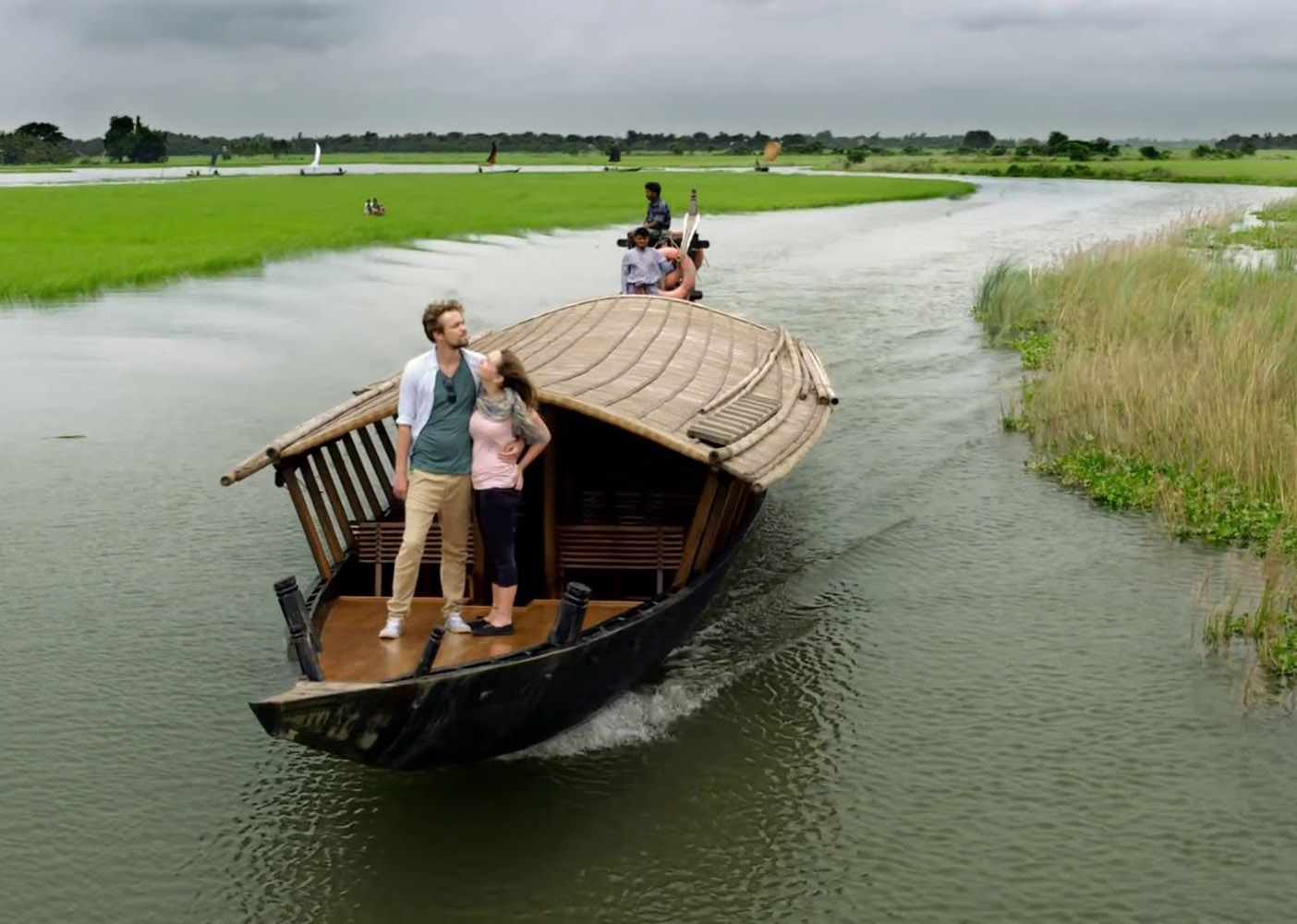
There is a saying in Bangladesh — “The river is our road.” For millions, that is not poetry. It is daily life. Here, boats are not just vehicles; they are homes, livelihoods, and companions through time. From the fishermen of Chandpur to the honey collectors of the Sundarbans, generations have lived on water, carried by faith and current. To travel through Bangladesh by boat is to witness the country’s soul — calm, rhythmic, and endlessly alive.
1. The Country of Rivers
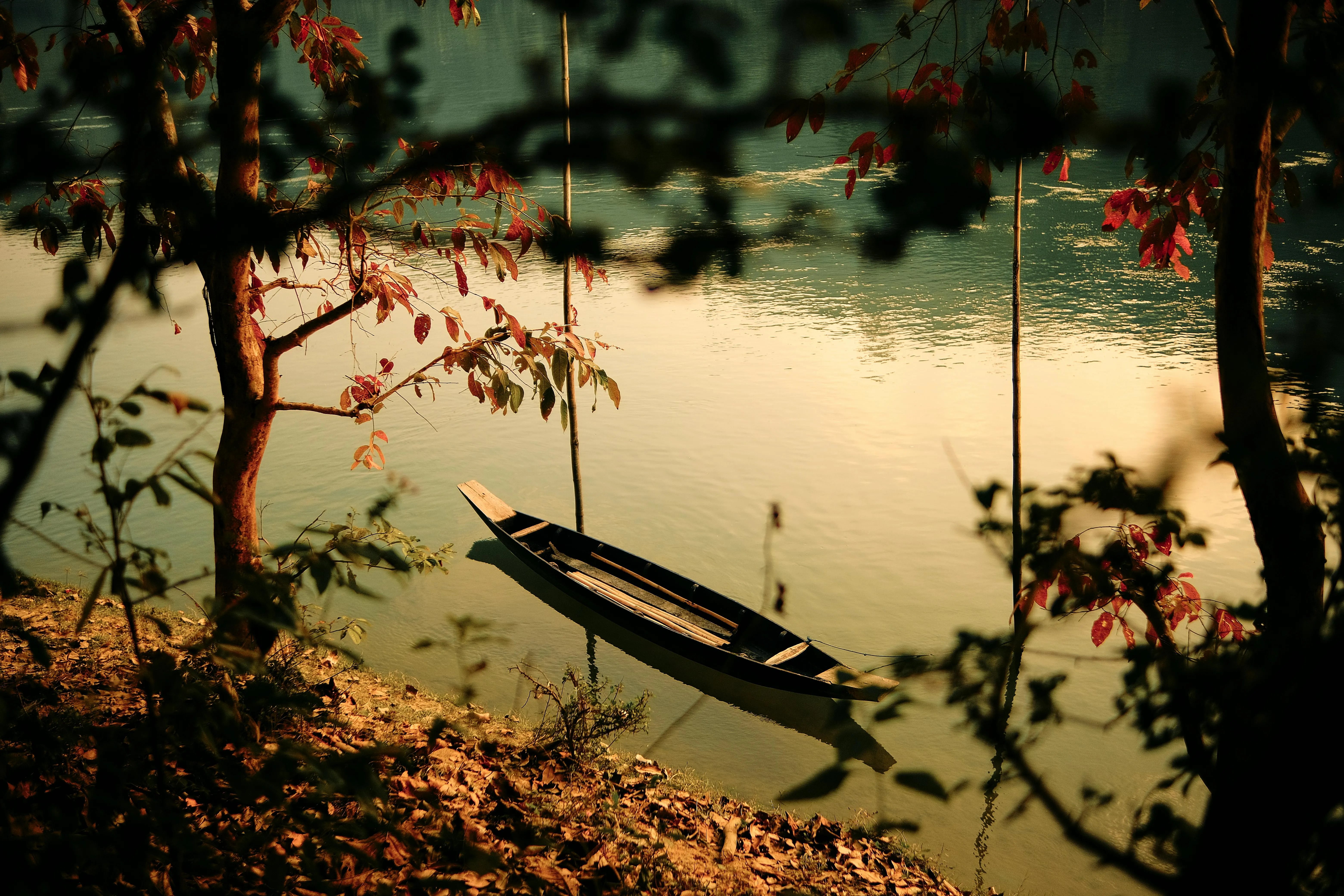
Bangladesh holds more than 700 rivers, weaving together a network of life that shapes its people and landscapes.
These rivers are roads, markets, and memories. They carry laughter, harvests, and songs.
When you glide down one of these rivers, you are not just moving through geography — you are moving through history. Villages appear like reflections on the water, children swim beside boats, and fishermen cast nets in patterns older than maps.
Each bend of the river tells a story.
2. The Boat as a Way of Life
For many families in rural Bangladesh, the boat is both home and workplace.
You will see tiny wooden boats carrying vegetables, school children, or whole families on the way to market. Larger cargo boats drift by like floating villages, their crews cooking, sleeping, and living onboard for months at a time.
At night, small kerosene lamps flicker across the water, creating a constellation of lights that move with the current. It is life lived in motion — simple, peaceful, and deeply human.
Traveler’s Reflection: Watching life on the water teaches you something about balance — how to move without rushing, how to float without losing direction.
3. Floating Markets of Barisal – The Venice of the East
In southern Bangladesh, the region of Barisal transforms water into wonder.
Every morning at dawn, hundreds of boats gather for the famous floating markets. Farmers arrive from nearby villages, boats loaded with bananas, guavas, and melons, their bright colors reflecting on the river.
There is no shouting, only soft voices, splashes, and the gentle bump of boats trading fruit.
It is a dance of commerce, culture, and calm — a living example of how community can thrive without walls or roads.
What to do:
Visit Banaripara or Kuriana Floating Market at sunrise.
Talk to local traders about how tides shape their daily routine.
Try freshly cut guava or sweet coconut right from a boat vendor.
4. The Fishermen of the Delta
Every evening, as the sun turns gold over the rivers of Chandpur, fishermen prepare their nets.
They work in silence, reading the wind, watching the current, guided by instincts passed down through generations.
The moment the nets sink into the water, time slows. When the first silver flash of fish rises, the air fills with quiet joy.
These men know the river like a friend — its moods, its tempers, its gifts.
Life on a fishing boat is hard, yet the connection between man and water feels sacred.
5. The Honey Hunters of the Sundarbans
Further south, in the mangrove labyrinth of the Sundarbans, another kind of boat life exists.
The Mawalis, or honey collectors, live on small boats for weeks during the honey season. They sail through tiger territory, collecting wild honey from deep inside the forest.
Their boats become floating camps — filled with smoke torches, baskets, and jars of golden honey.
Each night, they anchor near the edge of the forest, share stories under the stars, and sleep to the rhythm of the tide.
It is life on the edge of the wild — fragile, fearless, and full of faith.
6. The Sound of the River
If you spend even one night on a boat in Bangladesh, you begin to hear the river differently.
There is the low hum of the current against wood, the occasional cry of a heron, the soft creak of bamboo poles.
Sometimes, you hear nothing at all — only stillness, vast and comforting.
It is in those moments that you understand why people never leave the water.
It holds them, feeds them, and reminds them that movement can also mean peace.
7. Traveling by Boat – A Journey for the Soul
For travelers, a boat journey through Bangladesh is more than sightseeing. It is a return to simplicity.
Experiences to Try:
Take a rocket steamer cruise from Dhaka to Khulna, one of Asia’s oldest paddle steamers still in operation.
Join a Sundarbans river safari to explore mangrove channels and spot wildlife.
Visit a floating village near Gopalganj or Barisal to experience life built entirely on water.
As you watch the world float by, you will find yourself slowing down, syncing to the rhythm of the river.
8. Respecting the Flow
The rivers of Bangladesh are alive but vulnerable. Climate change and rising tides threaten the very lives that depend on them.
As travelers, we carry responsibility too.
Travel Kindly:
Choose eco-friendly boats that use minimal fuel.
Avoid throwing anything into the river.
Support local boatmen and buy local products.
When we travel with care, we help the rivers continue their eternal flow — for the people who live on them, and for the future travelers who will follow.
Final Thoughts
Life on a boat in Bangladesh is more than survival — it is art.
It is the art of living in rhythm with nature, finding joy in movement, and peace in simplicity.
To float down a river here is to drift through a living story — one told not in words, but in water, wind, and quiet smiles.
Ready to set sail?
Let Bangladesh Bound take you on a journey across Bangladesh’s waterways — where every tide tells a story, and every wave carries the warmth of a thousand lives.